


Who
We
Are
Sapran – Safeguarding All Lives is grounded in the recognition that, in many postcolonial contexts, the relationship between state institutions and society remains historically uneven. Unlike contexts where state formation evolved through gradual social contracts, governance structures in postcolonial settings often retain a degree of separation from the lived realities of the people they are meant to serve. This distance can create conditions where accountability mechanisms are weak, and where human rights protections remain uneven in practice. At the same time, existing human rights frameworks—while essential—do not always fully capture the complexity of these contexts. Developed largely through global and historically specific trajectories, such frameworks can sometimes struggle to engage with local social dynamics, political histories, and forms of vulnerability that do not fit neatly within standardized categories. As a result, the application of rights principles may remain limited in reach, or insufficiently connected to broader societal processes. Sapran positions itself within this gap. It seeks to contribute to a more grounded and context-responsive approach to human rights by linking lived experience with systematic research and analysis. The organization works to document violations through rigorous, survivor-informed methodologies, while also examining the structural, political, and ideological conditions that enable such violations to occur and persist. This approach extends beyond a narrow focus on legal accountability. Sapran engages with both state and non-state actors, recognizing that patterns of harm are often embedded in wider systems of power, social norms, and political narratives. By analyzing these dynamics, the organization aims to contribute to more comprehensive forms of accountability that address not only individual incidents, but also their underlying causes. Sapran also understands rights as closely connected to political processes, collective memory, and social transformation. Its work therefore engages with both longstanding forms of marginalization—affecting communities such as indigenous peoples, religious minorities, women, persons with disabilities, and those in informal settlements—as well as more fluid and situational forms of vulnerability that emerge during moments of political transition, conflict, and social fragmentation. In addition, Sapran adopts a multidisciplinary perspective that situates human rights within broader ecological and environmental contexts. This includes attention to climate-related vulnerabilities, the rights and conditions of displaced populations, and the ethical consideration of non-human life. Such an approach reflects an effort to move beyond strictly anthropocentric frameworks and toward a more integrated understanding of justice. Through this combined focus on documentation, analysis, and engagement, Sapran aims to strengthen the connection between society and institutions, support processes of accountability, and contribute to longer-term efforts to prevent recurring cycles of violence, exclusion, and mistrust.
Our Projects

Beyond the Barbed Wire: Violence, Push-ins, and Accountability at the Bangladesh-India Border
This project explored the ongoing humanitarian crisis along the Bangladesh–India border, focusing on patterns of violence, forced push-ins, and deep-seated impunity. As part of its research output, Sapran penned a position paper titled, “Bare Lives Across the Border: Collective Suffering and Culture of Impunity in the Bangladesh–India Frontier.” The paper argued that the border operates as a necropolitical regime, where certain lives are rendered disposable through practices such as extrajudicial killings, torture, enforced disappearances, and unlawful expulsions. Moving beyond a security-centric lens, it highlighted how these violations are structurally embedded and sustained by a culture of impunity, while emphasizing the need for a human dignity-centered approach grounded in the lived realities of border communities. It further identifies critical legal and diplomatic gaps and advances concrete recommendations for rights-based policy reform and cross-border accountability. Complementing this research, Sapran conducted its advocacy work by organizing a panel discussion titled, “Beyond the Barbed Wire: Understanding Violence, Push-ins, and Accountability at the Bangladesh–India Border,” held on 8 January, 2026 in Dhaka’s Bishwa Sahitto Kendra. Drawing on both historical and recent developments, including the enduring significance of the killing of Felani Khatun and the sharp rise in unlawful push-ins, the discussion brought together researchers, activists, and policy thinkers to examine the structural drivers of border violence. The discussion highlighted the humanitarian consequences of current border practices, including trauma, displacement, and loss of dignity, while critically engaging with the limitations of existing accountability mechanisms. By connecting research, memory, and policy dialogue, this project emphasized that border violence is not just an isolated political issue but also an urgent human rights crisis. Through this project Sapran calls for immediate, coordinated action that places human dignity, legal accountability, and protection at the center of border governance.
Enforced Disappearance in Bangladesh: Truth, Memory, and Accountability
See More
Events
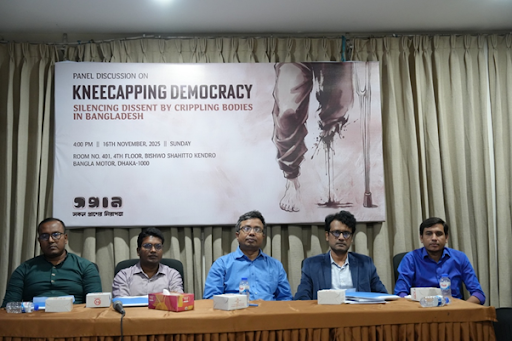
Kneecapping Democracy: Silencing Dissent by Crippling Bodies in Bangladesh
Sunday
04.00 GMT
Bishwo Shahitto Kendro, Bangla Motor, Dhaka
Events
News
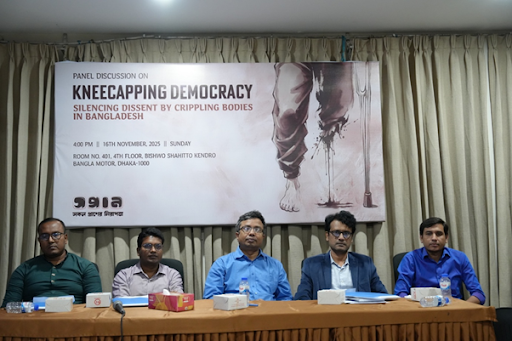
16 November 2025
Kneecapping Democracy: Silencing Dissent by Crippling Bodies in Bangladesh
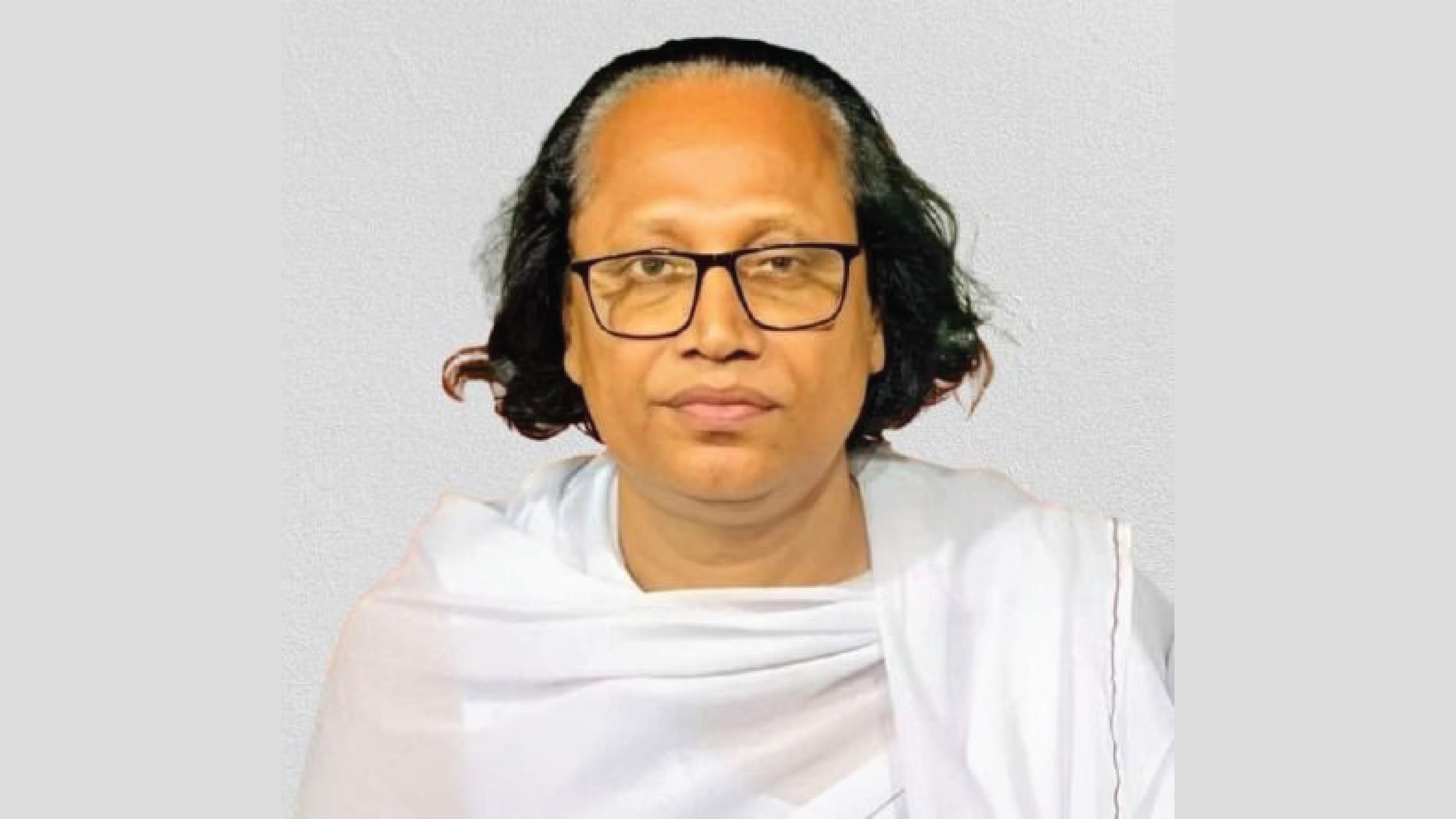
23 November 2025
𝗗𝗲𝗲𝗽 𝗖𝗼𝗻𝗰𝗲𝗿𝗻 𝗮𝗻𝗱 𝗣𝗿𝗼𝘁𝗲𝘀𝘁 𝗥𝗲𝗴𝗮𝗿𝗱𝗶𝗻𝗴 𝘁𝗵𝗲 𝗔𝘁𝘁𝗮𝗰𝗸 𝗼𝗻 𝗗𝗲𝘃𝗼𝘁𝗲𝗲𝘀 𝗼𝗳 𝗕𝗮𝘂𝗹 𝗔𝗿𝘁𝗶𝘀𝘁 𝗔𝗯𝘂𝗹 𝗦𝗮𝗿𝗸𝗲𝗿 𝗶𝗻 𝗠𝗮𝗻𝗶𝗸𝗴𝗮𝗻𝗷

26 November 2025
Korail Slum Fire: Sapran Calls for Immediate Rehabilitation and Independent Investigation
See More
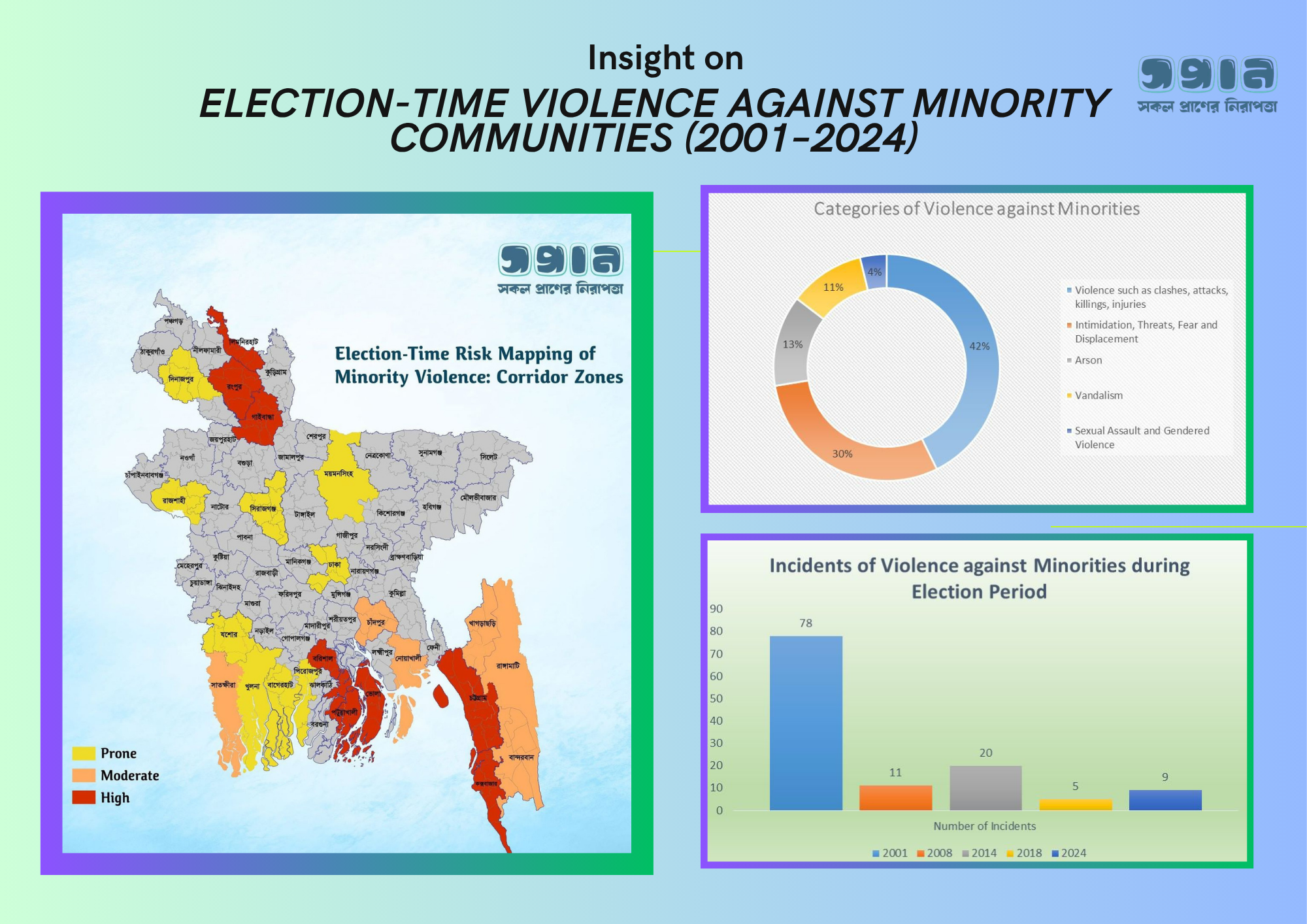
Insights
See More